AWRC theme lead, Dr Cath Homer, is co-leading the 11th UK Congress on Obesity (UKCO) which will come to Cutlers' Hall, Sheffield on 17–18 September 2026, with a focus on 'obesity through different life stages.'
The Advanced Wellbeing Research Centre welcomes the publication of the UK Government’s National Cancer Plan for England, which was released today. We strongly support the plan’s shift toward treating cancer as a long-term condition, but caution a unilateral shift to digital first, without appropriate consideration of the wider-system factors that influence engagement and access in communities.
AWRC co-locator Dr Elysa Ioannou of the School of Sport and Physical Activity spoke to BBC Look North yesterday in their feature on programmes tackling obesity in South Yorkshire.
In the 80th anniversary year marking the end of World War II and following recent commemorations of Victory in Europe and Japan Days, this September we brought together theatre and academia in a stage play about the Atlantic Convoys to support individuals experiencing trauma and mental ill health.
This month, the Advanced Wellbeing Research Centre welcomed its third cohort of research fellows via the Stavros Niarchos Foundation fellowship exchange programme led by Yorkshire Cancer Research
We sat down with Pelagia Mavraki and Marialena Kaframani to learn about the expertise they bring and what they're hoping to achieve over the next three months.
In a new article for the British Journal of Nursing's September oncology supplement, AWRC Director Prof. Rob Copeland explores how integrating movement into cancer care can improve survival, reduce recurrence, and increase wellbeing.
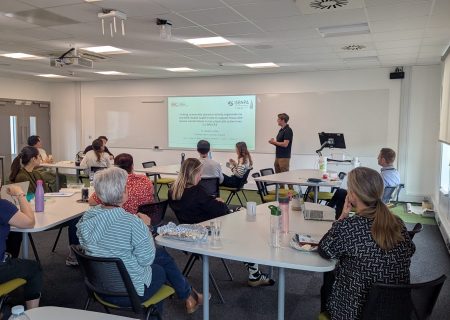
This week, Dr Gareth Jones shared insights from two NIHR-funded projects focused on enabling people with severe mental illness (SMI) to lead more physically active lives.
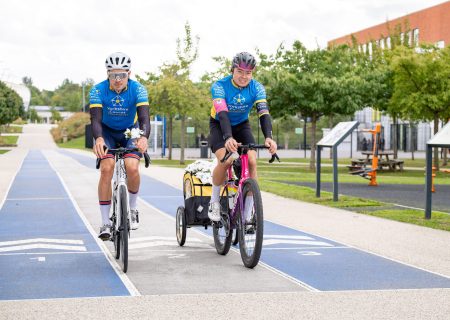
The Tanfield brothers' 250-mile ride was part of our long-term collaborator Yorkshire Cancer Research’s campaign to reduce regional inequalities in cancer care and improve cancer care in Yorkshire.
Dr Cath Homer from the School of Sport and Physical Activity, together with colleagues, has written to The Lancet in response to recent media coverage and public reaction surrounding the evaluation of the NHS’s Complications of Excess Weight (CEW) clinics.