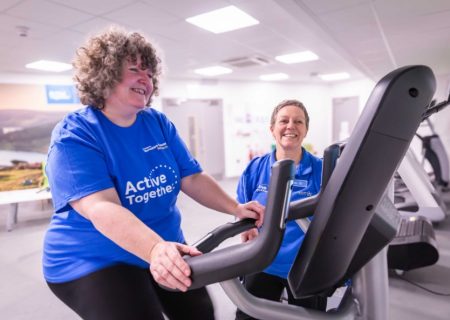
Movement is beneficial for both physical and mental health, yet only 1 in 4 women meet national physical activity guidelines during pregnancy and first year after childbirth.
AWRC-based National Centre for Sport and Exercise Medicine (NCSEM) partnership will deliver a £1.7m programme of work to strengthen community-led activity, embed physical activity within health and care pathways, and build the workforce, leadership and infrastructure needed to sustain change.
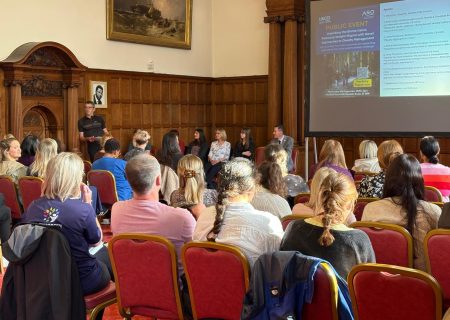
AWRC theme lead, Dr Cath Homer, is co-leading the 11th UK Congress on Obesity (UKCO) which will come to Cutlers' Hall, Sheffield on 17–18 September 2026, with a focus on 'obesity through different life stages.'
Researchers co-locating at the Advanced Wellbeing Research Centre have formalised a strategic research partnership with South Korea's Jeju National University, marking a significant milestone in international digital healthcare research collaboration.
AWRC co-locator Dr Elysa Ioannou of the School of Sport and Physical Activity spoke to BBC Look North yesterday in their feature on programmes tackling obesity in South Yorkshire.
In the 80th anniversary year marking the end of World War II and following recent commemorations of Victory in Europe and Japan Days, this September we brought together theatre and academia in a stage play about the Atlantic Convoys to support individuals experiencing trauma and mental ill health.
Dr Harriet Wingfield, Research Fellow based at the AWRC, shares her reflections on attending the Health Enhancing Physical Activity (HEPA) Europe conference in Kaunas, Lithuania, in this latest piece for AWRC Voices.
Researchers from Sheffield Hallam University, based at the AWRC, used data from nearly 80,000 parkrun participants to create a new model of life satisfaction that can be used to evaluate initiatives that seek to improve quality of life in the population.
In a new article for the British Journal of Nursing's September oncology supplement, AWRC Director Prof. Rob Copeland explores how integrating movement into cancer care can improve survival, reduce recurrence, and increase wellbeing.
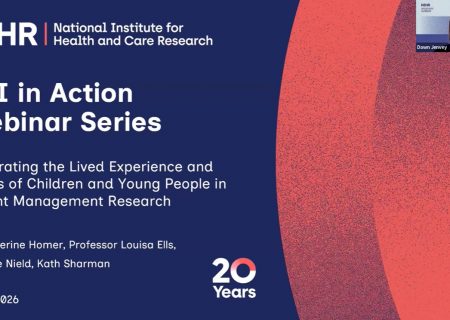
This week, Dr Gareth Jones shared insights from two NIHR-funded projects focused on enabling people with severe mental illness (SMI) to lead more physically active lives.