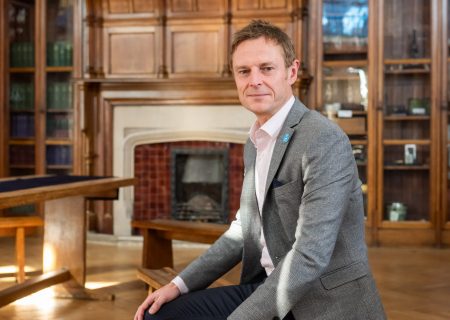
Dr Cath Homer from the School of Sport and Physical Activity, together with colleagues, has written to The Lancet in response to recent media coverage and public reaction surrounding the evaluation of the NHS’s Complications of Excess Weight (CEW) clinics.
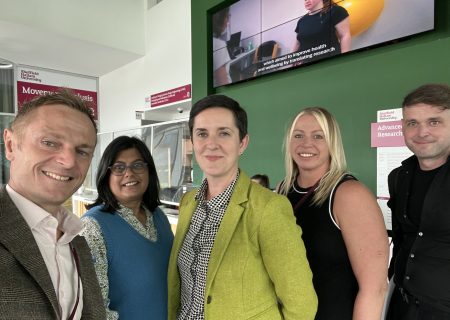
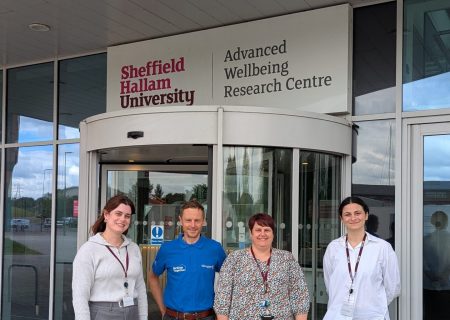
It was a pleasure to welcome Katharine Hammond, the new Chief Executive of the South Yorkshire Mayoral Combined Authority (SYMCA) and Joseph Quinn, Director of Growth and Sector Development, to the Advanced Wellbeing Research Centre (AWRC) today as part of a wider visit to the Sheffield Olympic Legacy Park (SOLP) hosted by its Chair, Dr Sherry Kothari.
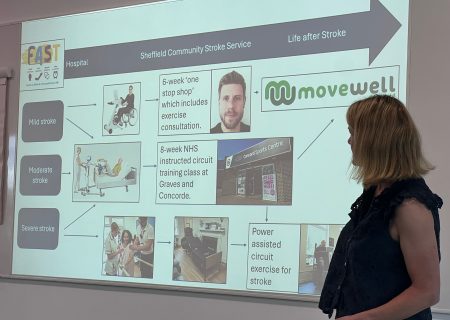
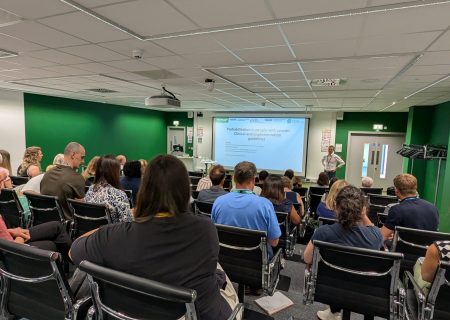
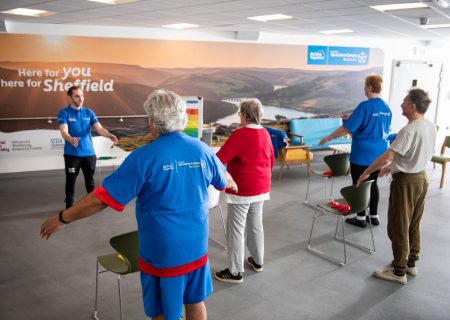
This week’s Lunch and Learn was delivered by Principal Research Fellow Dr Rachel Young of the School of Health and Social Care, who shared examples of how AWRC research and innovation are helping to improve access to physical activity for people living with stroke in Sheffield.
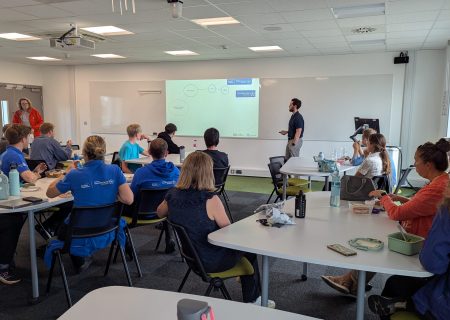
At our most recent Lunch and Learn session, Dr Liam Humphreys of the School of Sport and Physical Activity shared a fascinating overview of how Hallam researchers at the Advanced Wellbeing Research Centre are shaping the future of cancer rehabilitation.
AWRC Director Prof Rob Copeland has written for the Hospital Times about how physical activity is an essential, cost-effective intervention to to transform cancer care in the UK.
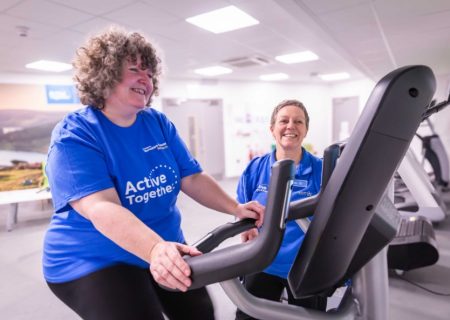
This week, our cancer prehabilitation programme Active Together marks supporting 2,000 people across Yorkshire. As we reflect on this achievement, new findings from a major international trial add further weight to the growing evidence behind this approach. The study, led by Queen’s University in Canada, found that exercise may be as effective as drug treatments in preventing cancer from returning.
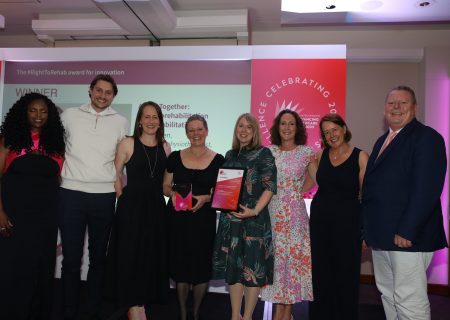
Our flagship cancer prehabiltation programme, Active Together was successful in winning the "The #RightToRehab award for innovation" category in the Advancing Healthcare Awards last week. Dr Carol Keen, Consultant Physiotherapist, writes about how true collaborative working underpinned the achievement.
This month we welcomed two researchers to the AWRC as part of the Stavros Niarchos Foundation fellowship exchange programme led by Yorkshire Cancer Research. Vasiliki Xanthopoulou and Konstantina Karnarou will spend three months at Sheffield Hallam University working primarily alongside Active Together and learning about the wider work of the Centre while sharing their own expertise in sport and exercise science.
Our Director Prof Rob Copeland was one of 18 researchers, volunteers and supporters who returned to the library of the University of Leeds' Old Medical School to recreate the founding of Yorkshire Cancer Research 100 years ago