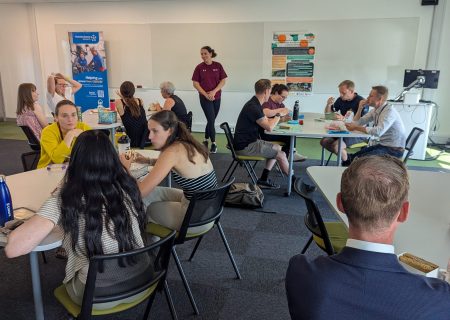
This week's AWRC Lunch and Learn session sparked some great discussion on how to meaningfully and effectively engage patients and the public in research.
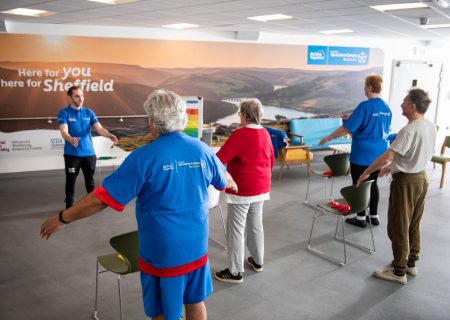
We are delighted to see the publication of the 2024 Move More Annual Highlight Report from the National Centre for Sport and Exercise Medicine (NCSEM) in Sheffield. The report highlights the significant achievements of the NCSEM over the past year, as it continues to deliver an Olympic legacy across Sheffield through Move More.
The CYPAS knowledge exchange event has been designed to support researchers and those in practice to connect, and to improve the dissemination of research to those who can make best use of it. Research will be presented from physical activity and sport in education, community and health settings.
Drawing on our IMACTIVE collaboration, Dr Daniele Magistro has written for The Conversation UK about how socially assistive robots can support older people at home to maintain their independence, relieving pressures on healthcare and social workers, and the importance of co-designing technologies with the populations they are intended to support.
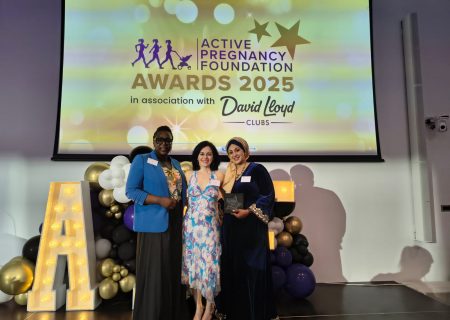
The Advanced Wellbeing Research Centre was pleased to sponsor the people category at the Active Pregnancy Foundation awards on Friday. The APF awards celebrated the people and organisations who support pregnant and postnatal women to become or stay active, as well as excellence in leadership, good practice, innovation, and research.
This week, our cancer prehabilitation programme Active Together marks supporting 2,000 people across Yorkshire. As we reflect on this achievement, new findings from a major international trial add further weight to the growing evidence behind this approach. The study, led by Queen’s University in Canada, found that exercise may be as effective as drug treatments in preventing cancer from returning.
Evaluation findings demonstrating the value of the NHS’s Complications of Excess Weight (CEW) clinics were presented this week at the European Congress on Obesity, reinforcing the importance of including these clinics in the NHS 10-Year Plan.
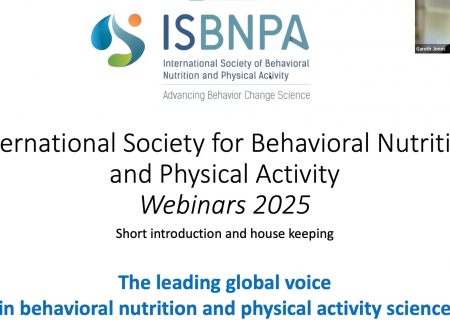
Dr Gareth Jones, co-lead of the Mental Health and Wellbeing special interest group for ISBNPA (International Society for Behavioural Nutrition and Physical Activity), recently hosted a webinar focused on how lifestyle factors such as exercise and diet can play a crucial role in mental well-being across different age groups.
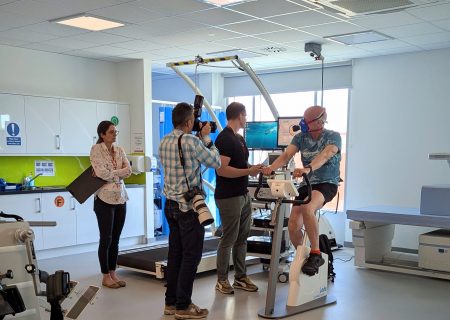
Phil Daoust of The Guardian visited PAWPH researchers Alex Bugg and Anouska Carter at the AWRC to learn more about lung capacity, efficiency and power, and to experience first-hand how we test lung health in the lab, including spirometry and VO2 max testing.
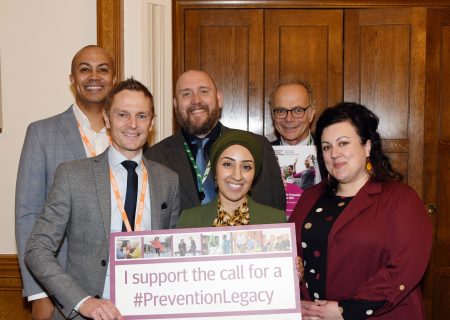
Drawing on our innovative research, the report sets out how physical activity can help drive the UK Government’s prevention ambitions, reduce health inequalities, and support economic growth.