
Physical activity as essential medicine in oncology nursing practice
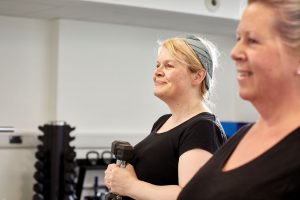
Healthcare professionals often recommend physical activity as part of broader lifestyle advice, but it’s increasingly being recognised as a therapeutic intervention in its own right. In a new article for the British Journal of Nursing’s September oncology supplement, AWRC Director Prof. Rob Copeland explores how integrating movement into cancer care can improve survival, reduce recurrence, and increase wellbeing.
Drawing on the Active Together and PACC programmes, he suggests that oncology nurses can help to lead this shift with person-centred approaches, from brief, meaningful conversations in existing clinical appointments to survivorship care and addressing the late effects of cancer treatment.
You can read an excerpt from the article below.
“Physical activity is increasingly recognised as a therapeutic intervention rather than simply lifestyle advice in oncology care. Evidence from the 2025 American Society of Clinical Oncology annual meeting demonstrated that structured exercise after cancer treatment reduced mortality risk by 37% and recurrence by 28% (ASCO, 2025). However, translating this evidence into routine nursing practice requires addressing implementation challenges that healthcare professionals encounter in clinical settings and avoiding an exacerbation of health inequalities.
A comprehensive framework exists for integrating physical activity across the cancer continuum, from prevention through to palliative care. For oncology nurses, this aligns with the NHS 10-year plan’s emphasis on prevention-focused care and community-based service delivery (DHSC, 2025). Current evidence indicates that one in three men and one in two women fail to meet recommended physical activity levels, with cancer survivors being twice as likely to be physically inactive (OHID, 2022). ”
You can read the full article here (a BJN subscription is required to access the full article)
- American Society of Clinical Oncology. Movement is medicine: structured exercise program may lower risk of cancer recurrence and death for some colon cancer survivors. 2025. https://tinyurl.com/3628r2df
- Department of Health and Social Care. Fit for the future: 10 year health plan for England. 2025. https://tinyurl.com/bdexkb5c
- Office for Health Improvement and Disparities. Physical activity: applying All Our Health. 2022. https://tinyurl.com/mjr7677a