
Shaping the future of cancer rehabilitation
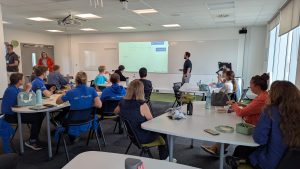
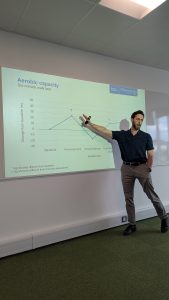
At our most recent Lunch and Learn session, Dr Liam Humphreys of the School of Sport and Physical Activity shared a fascinating overview of how Hallam researchers at the Advanced Wellbeing Research Centre are shaping the future of cancer rehabilitation.
Active Together, our flagship prehabilitation programme, offers multimodal pre- and rehabilitation to people preparing for and recovering from cancer treatment. It recognises that physical, nutritional, and psychological needs must be considered together. Early evaluation findings indicate promising signs for how this type of integrated model can enhance patient outcomes.
 Our collaboration with The Royal Marsden Hospital is exploring how technologies such as wearables and chatbots can be integrated into prehabilitation. Interestingly, evidence suggests that many people feel comfortable interacting with non-human digital tools such as chatbots, presenting many opportunities for supporting people living with and beyond cancer.
As part of the Royal Marsden Collaboration, researchers, led By Dr Tom Parkington, are undertaking an international DELPHI process to define a core outcome set for cancer prehabilitation. This will help ensure that future studies can be compared more easily, supporting stronger systematic reviews and meta-analyses.
An upcoming NIHR-funded study led by dietitian Sade Allott, is investigating the impact of recommending weight loss to patients ahead of surgery. While conventional wisdom might suggest that weight loss is helpful, we need to consider some important questions: How does that affect recovery? Could this type of weight loss, in some cases, cause more harm than good?
We have also been working with Macmillan Cancer Support to contribute to the development of revised prehabilitation guidance. A key aim of this piece of work was to ensure that services are consistent and equitable, regardless of where someone receives care. This is especially important as cancer services adapt to changing populations and needs.
Looking ahead, researchers are soon to begin working on a project which will explore gaps in support for children and young people affected by cancer. This is an area that’s gaining momentum, and is particularly relevant for the AWRC with the upcoming opening of our new neighbours, the National Centre for Child Health Technology (NCCHT).
One key goal that runs across all of this work is policy impact. Our research is informing guidance and strategies at the highest level, including the recently published NHS 10-year plan, and the national cancer plan, which is expected this autumn. Our recent policy report, Delivering the prevention legacy for the NHS: Innovations that help people move focused strongly on pre- and rehabilitation, helping to bring lived experience and research evidence into policymaking.